About
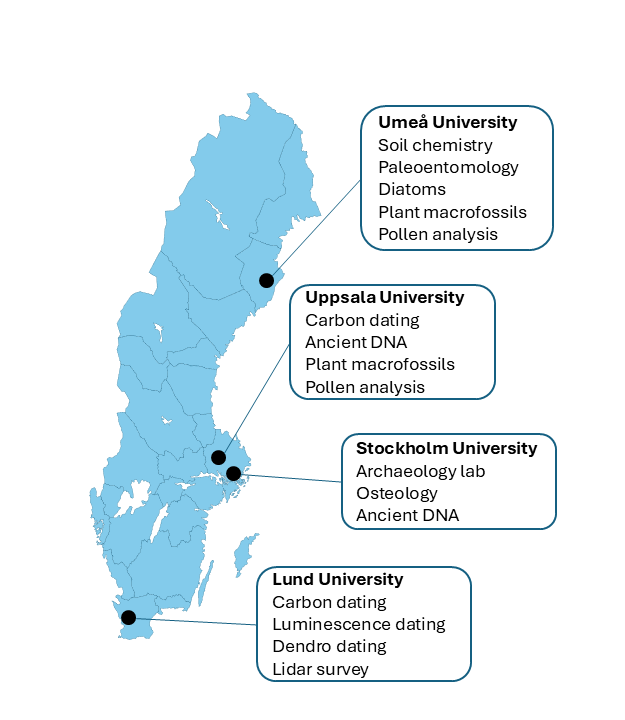
ArchLab is a national infrastructure for archaeological sciences in Sweden. We are located at four Swedish universities and run 13 different labs together. We are specialised in archaeological analysis and environmental history.
Learn more about our history and vision, our values and our connection to Swedigarch down below.
Our History and Vision
ArchLab was founded by the Universities of Umeå, Uppsala, Stockholm, and Lund 2022. We are supported by the Swedish Research Council.
We are united by the vision that Swedish Heritage science will benefit from the coordinated efforts of our experts in archaeological science; upholding and guaranteeing the highest scientific quality in the exploration of the past.
Archaeology is interdisciplinary
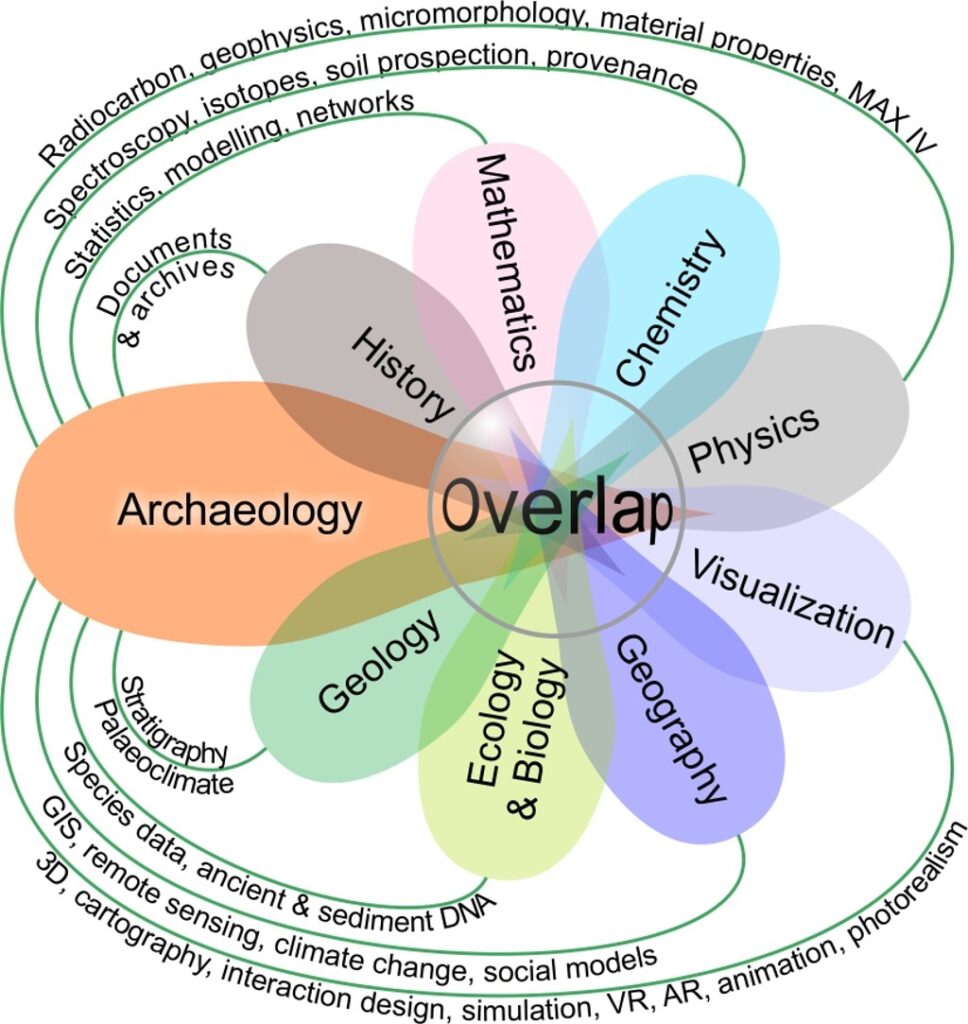
Archaeology encompass analytical methods that span several scientific fields.
It is from the integration of many sourcers of historic data, that a detailed picture of the past will emerge.
Open Science
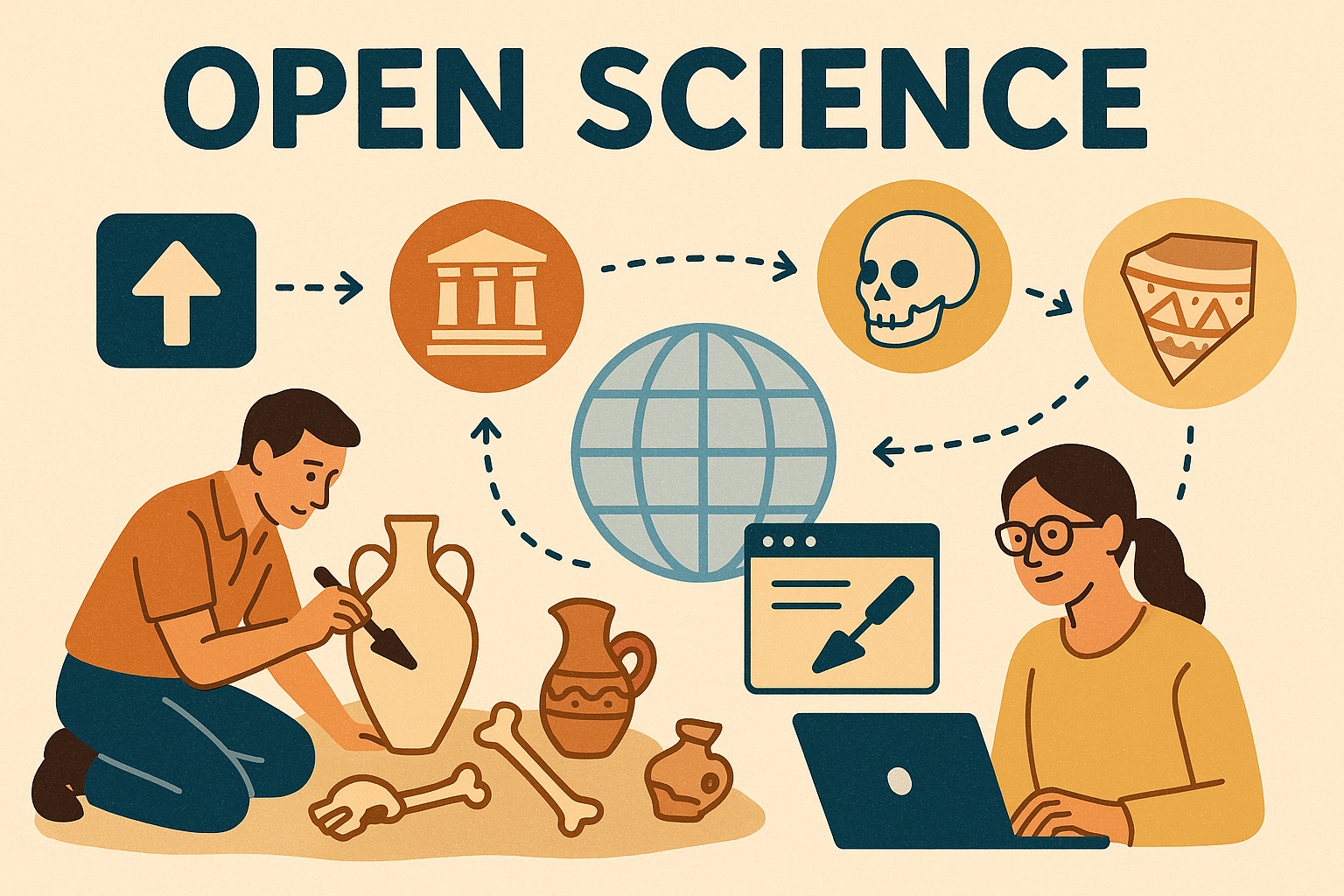
ArchLab is committed to open science and our mission is to ensure the continuous provision of archaeological data. Contributing to our common understanding of past human activities, societies, environments and climates.
ArchLab supports FAIR archaeological research data and strives to comply with all aspects of Open Science. This includes embracing all efforts to make data, metadata, reports and publications available and usable for current and future generations.
Our partner Swedigarch
The cornerstone of Open Science is the sharing of data. That is why ArchLab is closely connected to Swedigarch – the Swedish National Infrastructure for Digital Archaeology.
All the data and metadata that ArchLab processes will be made available to the public domain by Swedigarch. We can support our users to deposit data and metadata into databases and repositories coordinated by Swedigarch.
Our user base
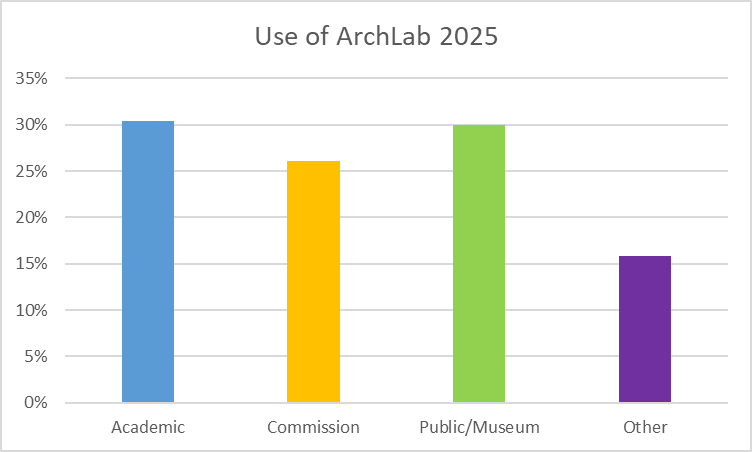
In our mission to make analytical and other services available, ArchLab offers it’s aid to all kinds of people working in archaeology.
Therefore our userbase consists of researchers from academic fields, archaeologists doing commission work as well as archaeologists from museums and the public sector.